

GPS: 44.053893712204854, 26.62020894236831
Use Google Maps for directions from your current location to your destination

Natura 2000 protected area/ subcategory Protected areas under the Wild Birds Directive 79/409/EEC
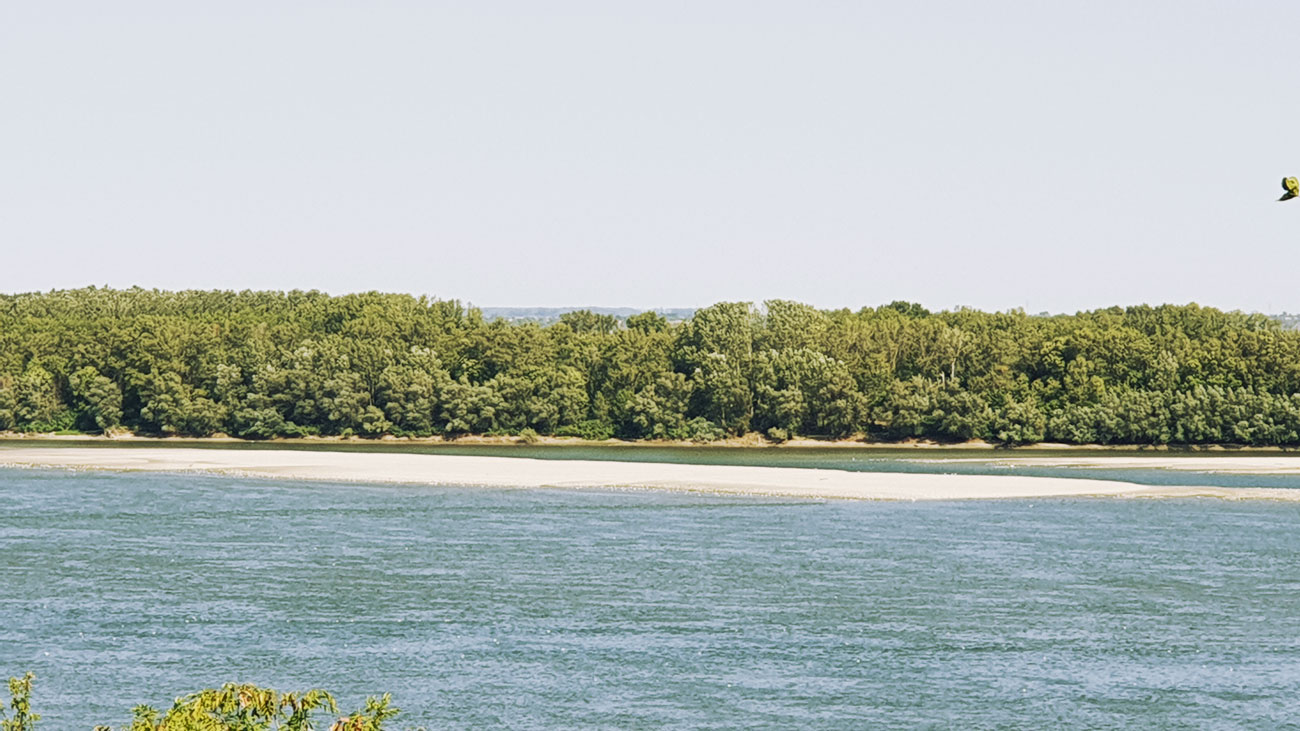
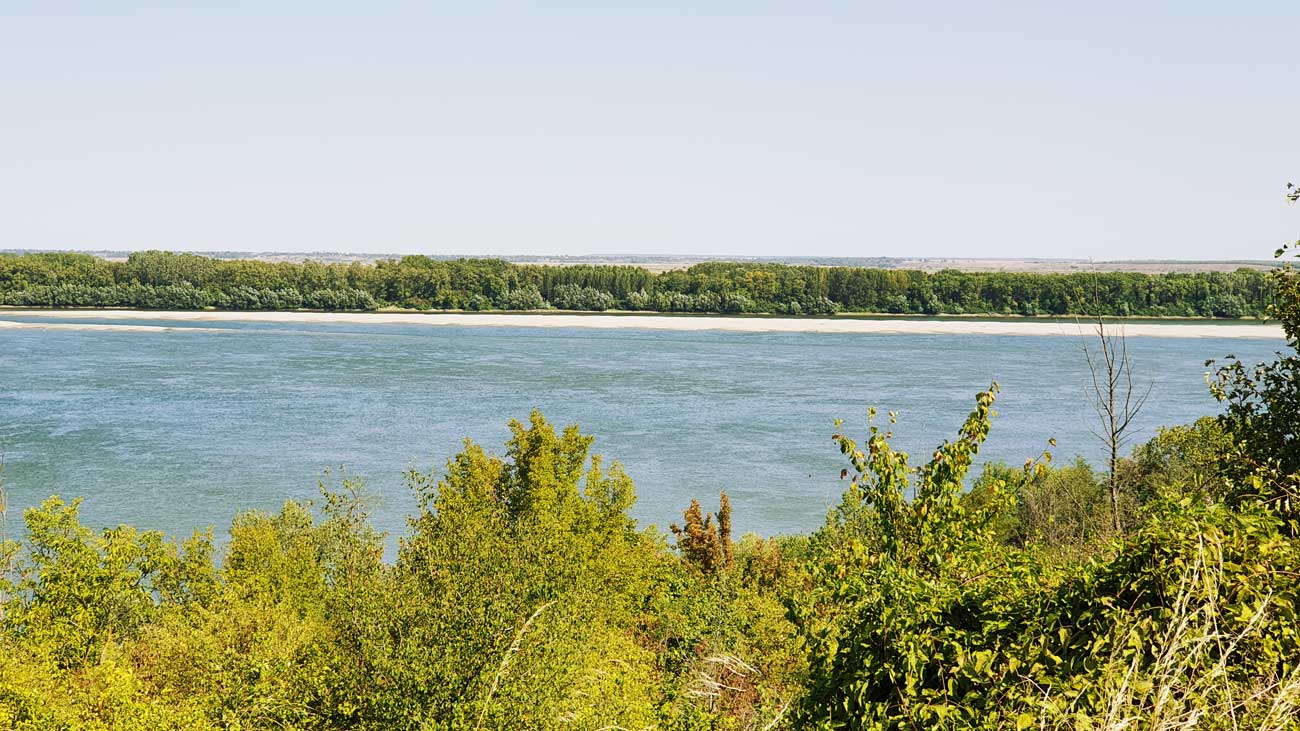
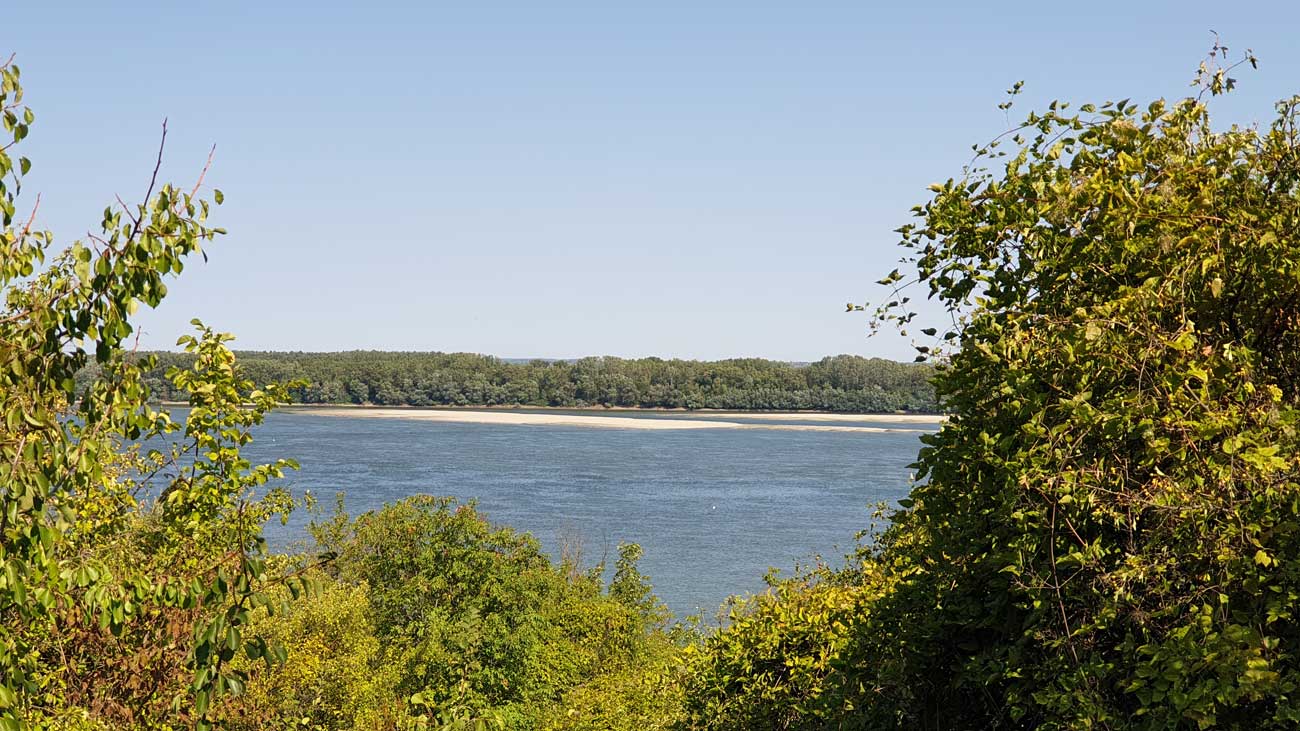
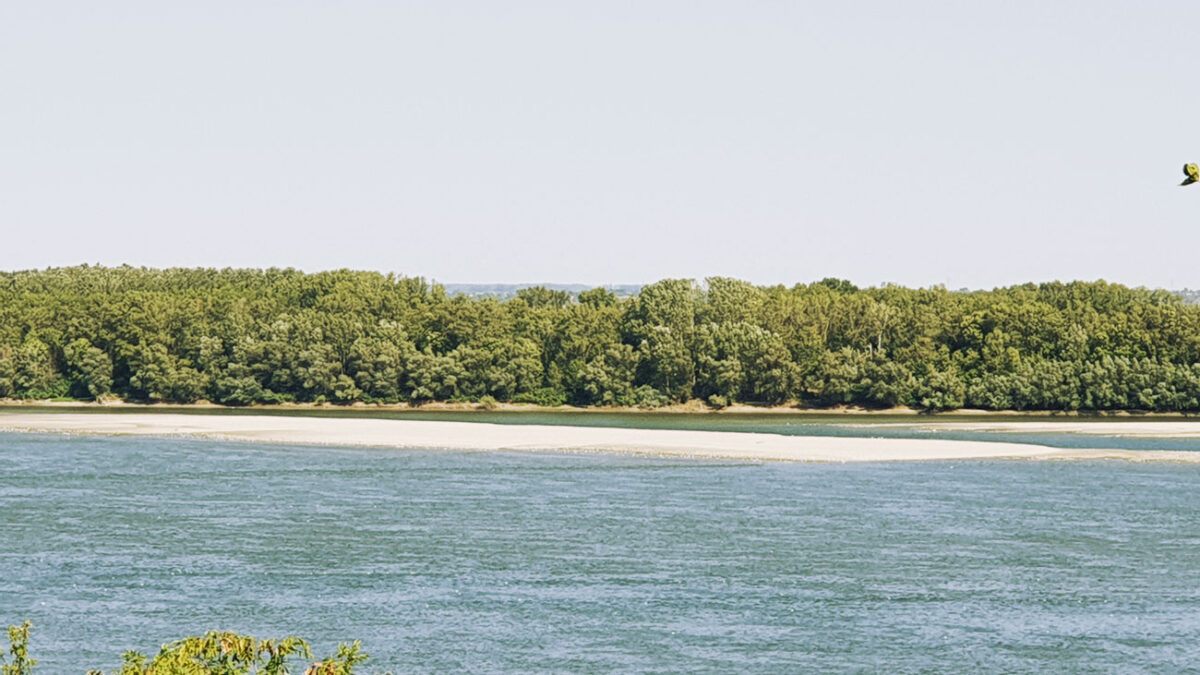
The Pozharevsky Islands, also known as the Big and Small Kosuy, are home to cormorants, pelicans, herons, and grebes, which we can observe from the shore or in the river while they forage for food or in flight near the natural floodplain forests of the islands around Tutrakan.
The entire island of Golyam Kosuy and part of Malak Kosuy are the territory of a protected area* “Ostrov Pozharevo” declared in 2008, part of NATURA 2000, located in the lands of the town of Tutrakan, the village of Pozharevo and the village of Dunavets, Tutrakan municipality, Silistra region with a total area of 9757,903 decares / 975.7 hectares. It was created with the aim of protecting and maintaining the habitats of the Black-throated Grebe /Podiceps nigricollis/, Little Cormorant /Phalacrocorax pygmeus/, Dalmatian Pelican /Pelecanus crispus/, Night Heron /Nycticorax nycticorax/, Great Egret /Ardeola ralloides/, as well as restoring the natural floodplain forests of the islands and maintaining the water balance of the floodplain territories.
At the same time, under the Protected Areas Act, Golyam Kosui Island was also declared a protected area* “Ostrov Pozharevo” in 1995 with an area of 71.0 ha of forest fund and is managed by the State Forestry Enterprise “Tutrakan”. On the territory, killing, capturing, ringing and disturbing nesting birds, destroying nests and collecting eggs is prohibited; construction, opening quarries and other activities that change the natural appearance of the area or its water regime; felling, except for breeding and sanitary in the period 01.09 – 30.12; grazing of domestic animals; collection of marsh snowdrop and other types of herbs.
Pozharevo Island is a Danube island, included in the list of ornithologically important sites in Bulgaria and declared with the aim of preserving the natural floodplain forest of willow and white poplar and the nesting colonies of rare and endangered bird species in the country. It is of global importance as a nesting site for the globally endangered little cormorant. A number of other waterfowl species have also found refuge here, such as the white-tailed eagle, the grey heron, the great egret, the night heron, the little egret and the great egret. The protected area covers the easternmost part of Pozharevo Island and the entire island of Malak Pozharevo. They are located opposite the village of the same name and can be reached by boat in the summer, when the Danube River level drops.
Large groups of little cormorants can be observed on the sandbars that have formed, and Dalmatian pelicans can often be seen gliding over the water, and in recent years they have been increasingly seen in the waters in front of Tutrakan.
* Protected areas and protected areas are a valuable tool for conserving biodiversity. If managed effectively and equitably, they help maintain the balance of ecosystems, preserve important habitats, build resilience to climate change, ensure food security, maintain water quality, conserve natural resources, limit the spread of diseases and pests, and provide many other benefits for wildlife and human health.
Protected areas are declared under the Protected Areas Act, and protected zones – under the Biological Diversity Act.
Protected areas are intended to preserve or restore the favorable condition of the natural habitats included in them, as well as of the species in their natural range.
Protected areas are created to preserve the most valuable and rare species and habitats.
The approach to their creation is also different.
In protected areas, there are certain horizontal regimes that are characteristic of the respective category. For example, in national parks, construction is prohibited, but there are exceptions – a hut can be built or an existing road can be repaired. In reserves, however, construction is prohibited without exceptions. The following are declared as protected areas: 1) territories with characteristic or remarkable landscapes, including those that are the result of the harmonious coexistence of man and nature; 2) habitats of endangered, rare or vulnerable plant and animal species and communities. Protected areas do not impose horizontal prohibitions on any human activities. The regimes there depend on the relevant declaration orders and management plans.
Source: https://www.wwf.bg/?9709466/zashtiteni-teritorii-i-zashtineni-zoni-shto-e-to