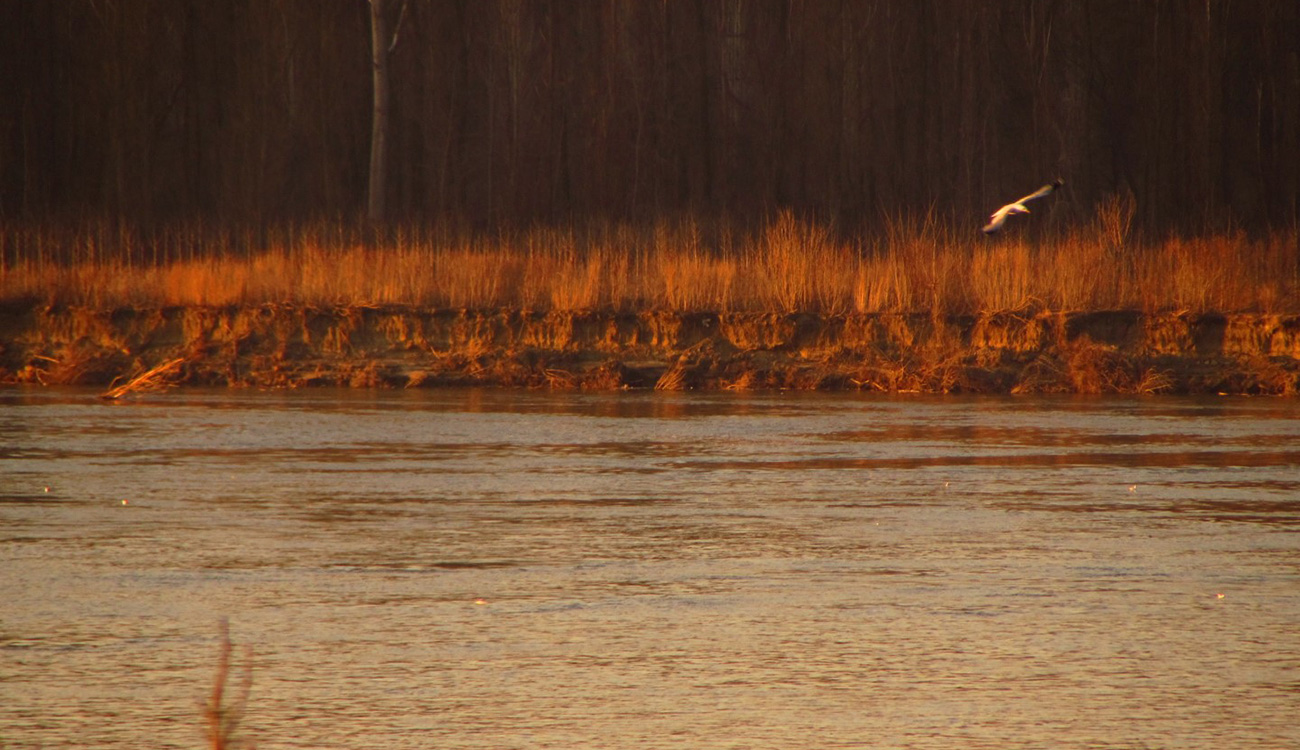


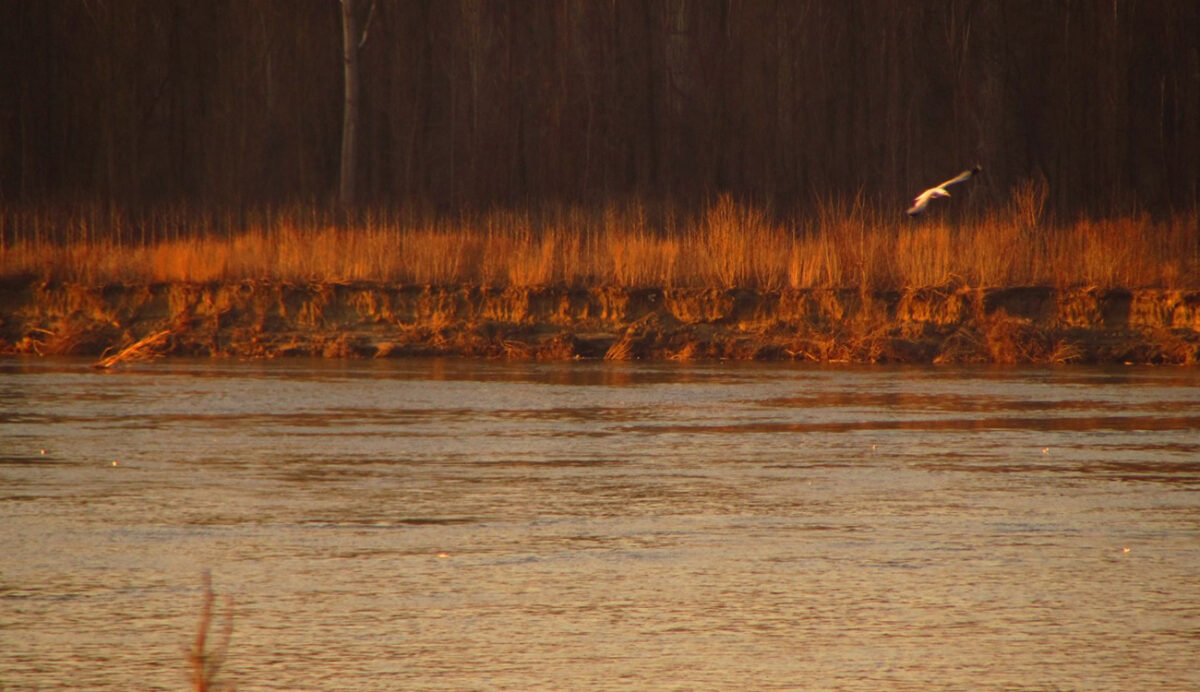
Protected area “Complex-Kalimok”, NATURA 2000, under the Wild Birds Directive (Silistra and Ruse regions) is located in the lands of the villages of Ryahovo, Babovo, Brushlen and Golyamo Vranovo, Slivo Pole municipality and Tsar Samuil, Nova Cherna, Staro Selo and Tutrakan, Tutrakan municipality with an area of 94,292.165 decares.
It is established with the aim of:
- Conservation and maintenance of the habitats of Red-throated Grebe /Podiceps grisegena/, Black-necked Grebe /Podiceps nigricollis/, Little Cormorant /Phalacrocorax pygmeus/, Dalmatian Pelican /Pelecanus crispus/, Great Bittern /Botaurus stellaris/.
- Restoration and maintenance of extensive wetland management to achieve a favourable conservation status for the white-eyed grebe, the lesser water buffalo, the greater and medium-sized terns and the white-cheeked, white-winged and black terns, as well as
- restoration of natural floodplain forests on the islands and maintenance of the water balance of the floodplain areas.
Protected area “Kalimok – Brushlen” (NATURA 2000, code 0000377, Ruse and Silistra regions) – falls within the lands of the villages of Babovo, Brushlen, Golyamo Vranovo and Ryahovo, Slivo Pole municipality, Ruse region; Nova Cherna village, Staro Selo village, Tsar Samuil village and the town of Tutrakan, Tutrakan municipality, Silistra region, with a total area of 7550.18 ha.
The following are protected in the area:
- Pannonian salt steppes and salt marshes,
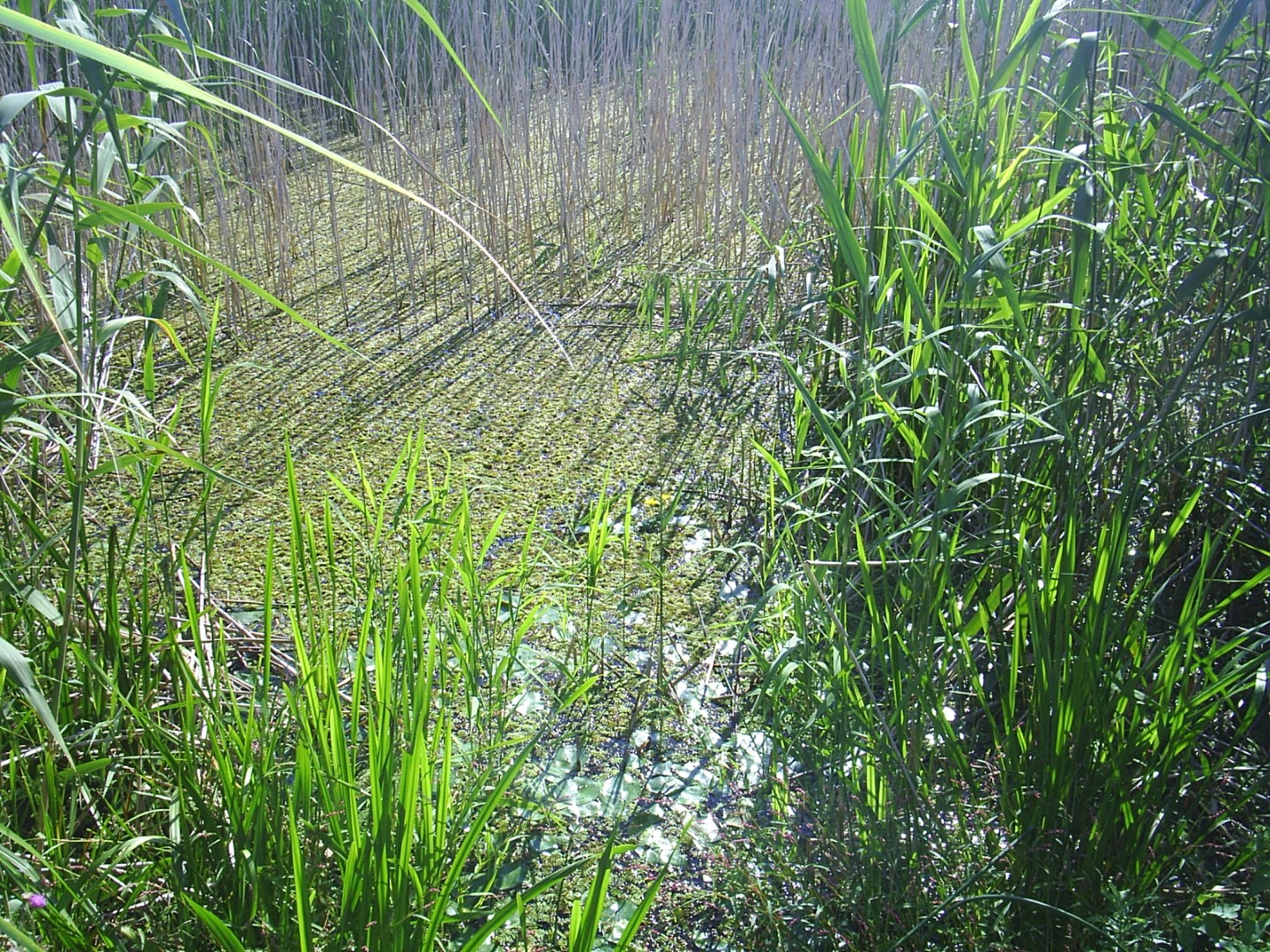
- Oligotrophic to mesotrophic standing waters with Littorelletea uniflorae and/or Isoeto-Nanojuncetea vegetation, Hard oligotrophic to mesotrophic waters with Chara benthic formations, Natural eutrophic lakes with Magnopotamion or Hydrocharition vegetation, Rivers with muddy banks with Chenopodion rubri and Bidention pp, Hydrophilic tall grass communities in the plains and in the montane to alpine belt, Alluvial meadows of the Cnidion dubii alliance in river valleys, Alluvial forests with Alnus glutinosa and Fraxinus excelsior (Alno-Pandion, Alnion incanae, Salicion albae), Riparian mixed forests of Quercus robur, Ulmus laevis and Fraxinus excelsior or Fraxinus angustifolia along large rivers (Ulmenion minoris), as well as Dalmatian Pelican, Black Stork, Polish Stork, Great Crested Grebe, Lesser Peregrine Falcon, etc.
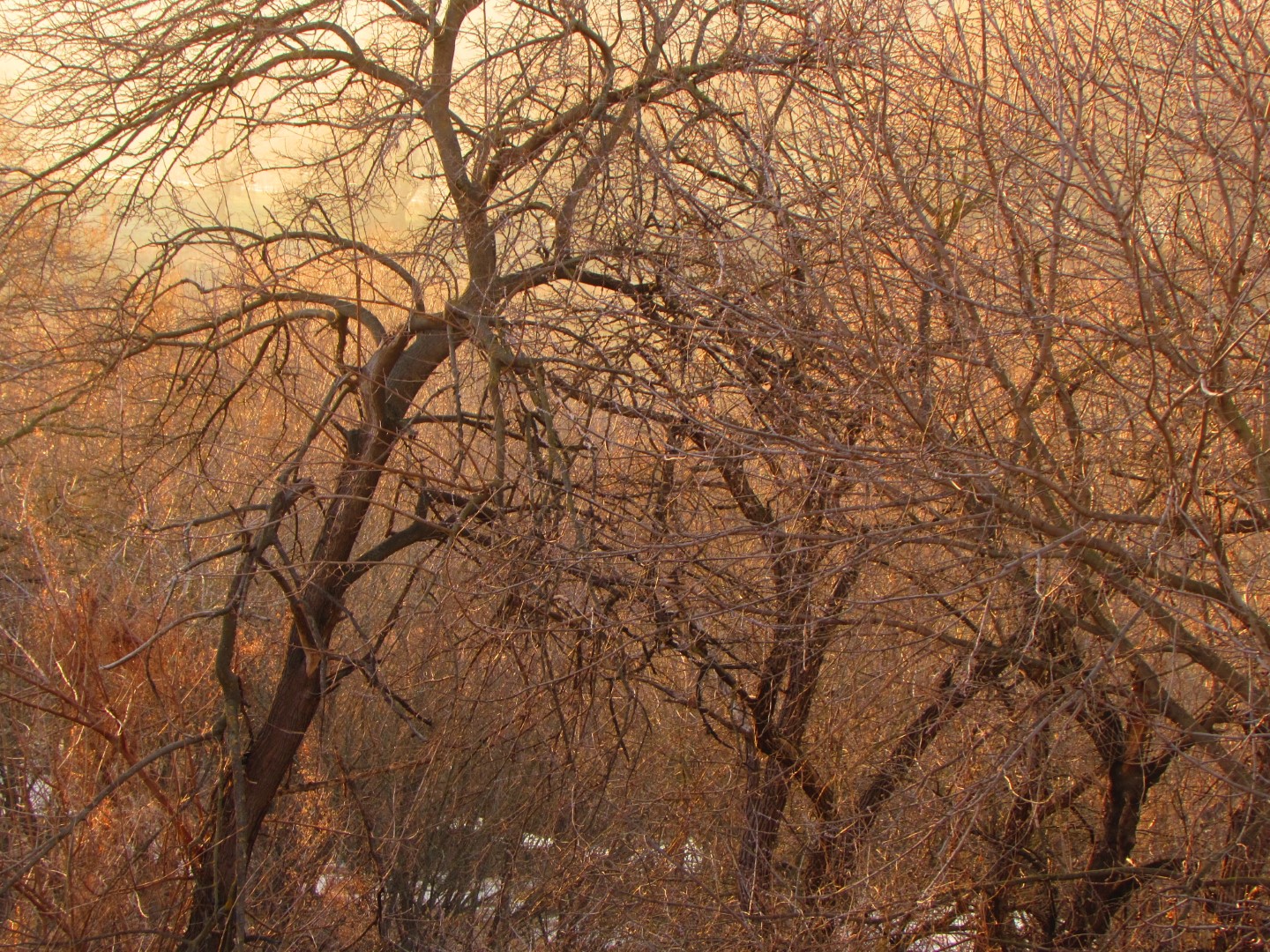
*Alluvial forests type B) Riparian, floodplain forests or galleries, dominated mainly by Salix alba, Populus alba and Populus nigra and less by Salix fragilis, which belong to the Salicion albae alliance. The soils are waterlogged marshy and alluvial. Along the Danube bank, in close proximity to the water, these forests pass into thickets of Salix purpurea and Salix triandra. In many places, especially along the Danube River, their primary structure is strongly changed by the massive participation in the shrub layer of the invasive American species Amorpha fruticosa.
In December 2020, a wooden platform was built on piles in the area to attract Dalmatian pelicans to nest, measuring 4 x 8 m., 3 m. high and with a total area of 32 sq.m.
To make it attractive enough for the pelicans, it is covered with reed bundles, and in addition, three life-size models of the species have been placed, the idea of which is to arouse interest in the pelicans and for them to accept the platform as their home as soon as possible.
In April 2021, 3 pairs built their nests on the platform and managed to raise 4 small pelicans, which fledge at the end of July. This is the third nesting site of the species in Bulgaria, along with those in Lake Srebarna and Persin Island.
The newly formed Dalmatian pelican colony in the Kalimok-Brashlen Nature Reserve is another successful step in the conservation of this majestic species.
Source:
https://rusenski-lom.bg/article/1052